
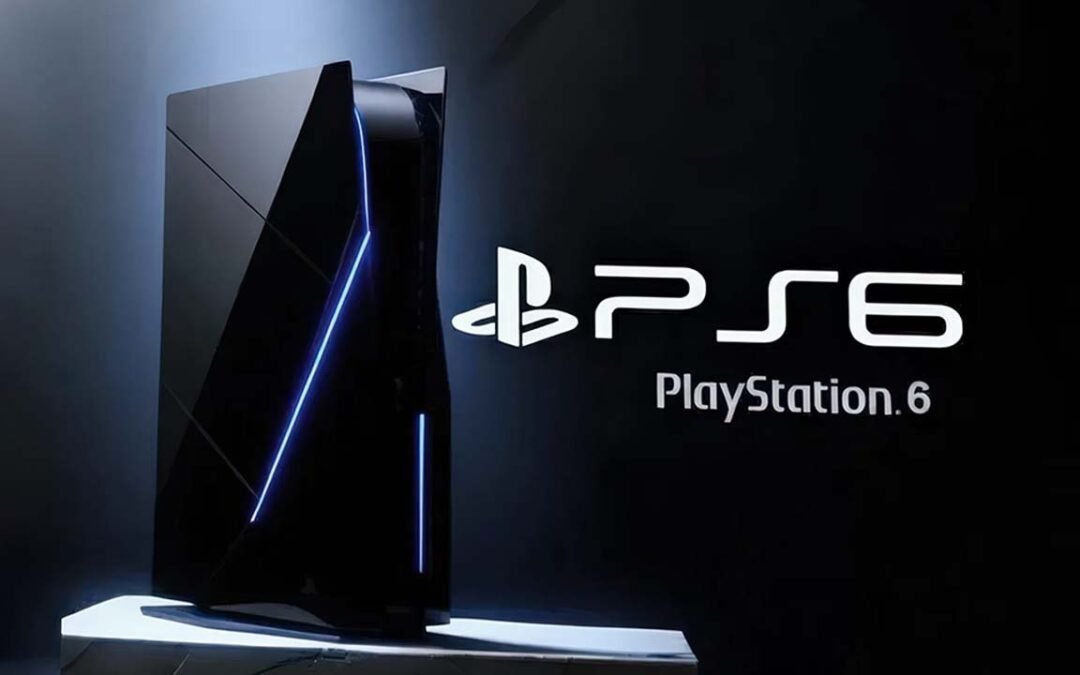
PlayStation 6 cost nears $1,000 amid rising hardware prices
The next generation of console gaming may be approaching a major price shock that few players have seen before. Reports suggest that the PlayStation 6 could be moving dangerously close to a $1,000 production cost threshold.
Despite that pressure, there is currently no strong indication that the launch timeline is at risk.
The discussion comes from industry leaks indicating rising hardware expenses tied to memory, storage, and semiconductor supply chains. These costs are reshaping expectations across the gaming industry.
Initial estimates placed the PlayStation 6 bill of materials at around $760. Those figures circulated after comments attributed to industry leaker Kepler_L2 and were later echoed by other insiders, including Moore’s Law Is Dead.
At the time, that pricing still suggested a heavily subsidized console strategy could keep retail pricing relatively accessible.
However, recent updates point to a steep increase in component costs over a short period. Analysts suggest that tightening supply in high-demand areas like DRAM and NAND storage continues to push manufacturing costs higher.
Broader industry signals appear to support that trend. Companies such as Valve have already adjusted pricing for hardware products, while console pricing from Microsoft has also faced upward revisions in recent cycles.
The result is a growing concern that premium gaming hardware is becoming significantly more expensive to produce.
The latest leak suggests the PlayStation 6 bill of materials has risen by roughly $200 since the earlier estimate. That places it uncomfortably close to the $1,000 mark, a psychological ceiling that no major home console has ever crossed.
Even with that increase, the expectation is that Sony will continue forward without delaying the launch window. The reasoning is largely economic, as delaying production could expose the company to even higher component costs if market conditions worsen.
If prices stabilize, a delay would also provide little strategic advantage.
Under the most optimistic scenario, pricing pressure could still allow for a digital-only model to launch around $999, though that figure is described as a best-case outcome rather than a confirmed target.
That potential price point would represent a dramatic shift in console economics. Historically, even high-end systems have remained below that level, with the PlayStation 3 famously launching at $599 in 2006 and facing widespread criticism for its cost.
A PlayStation 6 approaching four figures would mark an unprecedented moment in the industry, reshaping expectations for what mainstream gaming hardware should cost.
The implications extend beyond Sony. Future systems like the next-generation Xbox, reportedly under internal development as part of long-term initiatives such as Project Helix, could face similar cost pressures.
Even upcoming hardware such as the rumored Nintendo Switch successor from Nintendo is expected to operate in a more expensive component environment.
As costs rise across the supply chain, the industry faces a difficult question about where premium gaming is headed. If current trends continue, high-end console gaming may increasingly become a more expensive hobby, potentially narrowing the audience for cutting-edge hardware.
For now, the PlayStation 6 remains unannounced, but the pricing debate surrounding it is already shaping expectations for the next console generation.