
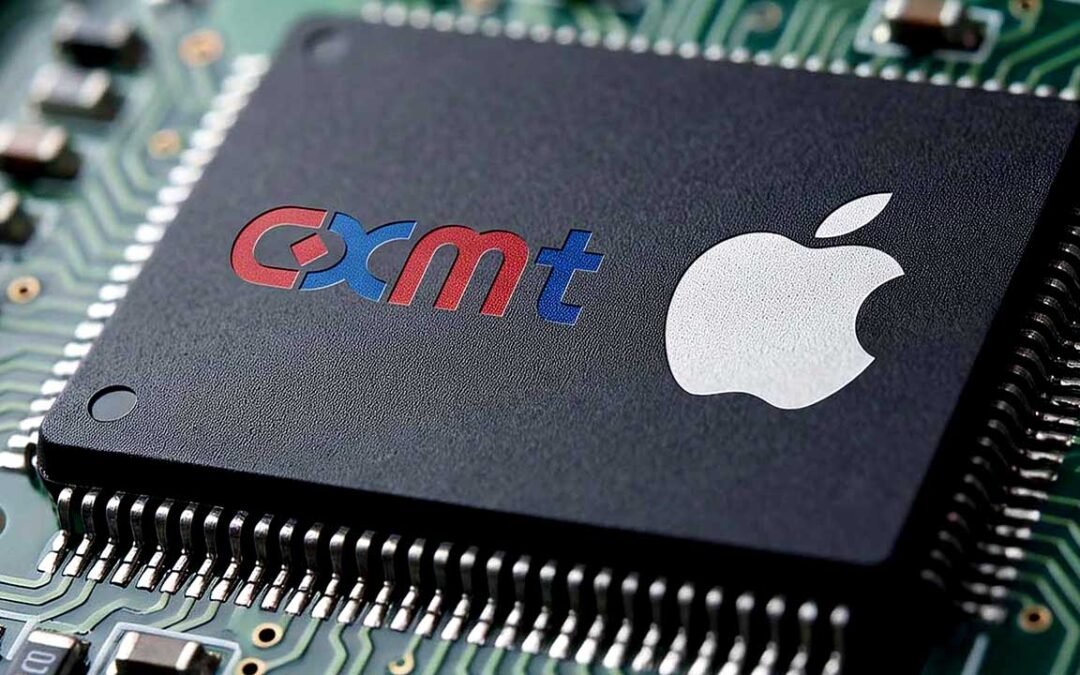
Apple Seeks New DRAM Supplier for iPhone 18
Apple is reportedly taking steps to strengthen its memory supply chain ahead of the iPhone 18, but the move may have less to do with lowering costs than ensuring future production stays on track. As demand for AI hardware continues to reshape the semiconductor industry, securing reliable access to DRAM has become an increasingly important priority for smartphone makers.
Rather than expecting immediate relief from soaring component prices, Apple appears to be focused on reducing the risk of supply disruptions. Industry analysts believe the company’s interest in adding another memory supplier reflects a broader strategy to protect future iPhone shipments as competition for advanced memory intensifies.
The reported supplier under consideration is Chinese memory manufacturer CXMT, a company that has attracted attention amid ongoing geopolitical tensions between the United States and China. While the addition of another supplier could diversify Apple’s sourcing strategy, analysts caution that it is unlikely to reverse the market forces driving memory prices sharply higher.
According to TF International Securities analyst Ming-Chi Kuo, the partnership should be viewed primarily as a way to reduce the likelihood of DRAM shortages rather than as a solution to pricing challenges. The global supply of advanced memory remains under significant pressure as artificial intelligence accelerators and data center hardware consume an increasing share of production capacity.
That demand has dramatically changed the economics of memory components. Industry estimates suggest that the cost of a 12GB LPDDR5X memory package has climbed from roughly $39 several years ago to around $145, representing an increase of more than 270%.
Storage pricing has followed a similar trajectory. A 256GB storage component that previously cost about $13 is now estimated at approximately $51, highlighting how multiple critical smartphone components have become substantially more expensive during the ongoing supply crunch.
Kuo also expects Apple to face tighter supply conditions over the coming production cycle. He estimates that the company’s planned procurement volume for its upcoming A20 and A20 Pro processors could be reduced by 10% to 20% between the second half of 2026 and the first quarter of 2027 as memory shortages continue affecting the broader supply chain.
Those constraints could influence Apple’s manufacturing strategy for future iPhone models. Reports suggest the company is accelerating its adoption of TSMC’s 1.4-nanometer manufacturing technology after spending only two generations on the 2-nanometer process, a move that may help improve performance and production efficiency as component availability becomes more critical.
Despite Apple’s reported interest in expanding its supplier network, established memory manufacturers Samsung and SK hynix are expected to remain the company’s primary DRAM partners. Both companies continue to prioritize supplying high-performance memory for AI servers and advanced computing systems, markets that currently generate stronger demand and higher margins than consumer electronics.
The analyst also noted that Apple’s long-term supplier relationships could become increasingly important as geopolitical tensions continue to influence global technology supply chains. Successfully navigating those complexities may prove essential for maintaining stable production of future iPhone models.
For consumers, the immediate impact is unlikely to be visible in the form of lower prices. Instead, Apple’s reported strategy appears aimed at ensuring enough memory components are available to meet demand when the iPhone 18 enters mass production, reducing the risk of shipment delays in an increasingly competitive semiconductor market.
As AI infrastructure continues absorbing a growing share of the world’s advanced memory output, smartphone manufacturers are being forced to rethink procurement strategies. Apple’s latest reported supply-chain efforts underscore how securing reliable component access has become just as important as controlling manufacturing costs in the race to deliver next-generation devices.